
Spring 2026 OTP Virtual Convening
Explore creative and collaborative approaches to meet the needs of people receiving OTP services
This two-part, statewide event will bring together OTP professionals from across Massachusetts to explore this year’s theme, Enhancing Access, Deepening Impact: Evolving OTP Service Delivery Together. Participants will learn strategies, share challenges and successes, and collaborate on real-world solutions.
Continuing Education Information
- Continuing education credits are only available for attending the live sessions. Credits cannot be issued for watching a recording.
- Attendees must complete the evaluation that will be issued after the final session on April 1 in order to receive credits.
- Credits will be issued for each eligible session attended. Sessions that are not eligible: the Day 1 Welcome & Keynote, Day 1 Closing Activity, Day 2 Welcome, and Day 2 Closing Activity.
National Association of Addiction Professionals (NAADAC): This course has been approved by the Center for Excellence on Addiction at JSI Research & Training Institute, Inc. as a NAADAC Approved Education Provider, for 6.5 contact hours of educational credits. NAADAC Provider #255263. Center for Excellence on Addiction at JSI Research & Training Institute, Inc. is responsible for all aspects of the programming. Attendees can earn a maximum of 6.5 hours of credit for the event: 3.5 hours of credits for Day 1 and 3.0 hours of credits for Day 2.
Licensed Mental Health Counselors (LMHCs): This program has been approved by Massachusetts Mental Health Counselors Association (MaMHCA) Continuing Education Authorization Program (MCEAP) for 7.25 CEs. Attendees can earn a maximum of 7.25 CEs for the event: 4 CEs for Day 1 and 3.25 CEs for Day 2.
National Association of Social Workers (NASW): Application for social work continuing education credits has been submitted. Please contact us at otptta-ma@jsi.com for the status of social work CE accreditation. Attendees can earn a maximum of 6.5 hours of credit for the event: 3.5 hours of credits for Day 1 and 3.0 hours of credits for Day 2. Attendees can only earn credits for each day if they attend for the entire day.
Please reach out to Robert Weiss at robert.weiss@jsi.org for questions related to CEUs.
12:00-12:30pm - Welcome
 Deirdre Calvert has been the Director of the Massachusetts Bureau of Substance Addiction Services since April 2019. Previous to that, Director Calvert worked for more than 25 years as a clinical director and social worker in the Massachusetts substance use disorder system, including Opiate Treatment Programs, Residential Treatment Programs, and OBOTs. Director Calvert is also a Teaching Associate at Boston University School of Social Work and School of Public Health. Director Calvert holds a Masters in Social Work from Boston University, and is a Licensed Independent Clinical Social Worker (LICSW).
12:30-2:00pm - Opening Plenary Session: Building Strong OTP Partnerships to Improve Patient Care
Speakers:
- Vanessa Krupa
- William Edward Soares III, MD, MS
- Jason W. Faro, BS, MS
- Jill Landis, RN
- Tiffany Mattson
- Gabrielle Messom, LMHC
- Alyssa Taddeo Horlbogen, LMHC
This session will open with a patient story that highlights why strong partnerships matter in supporting recovery and access to care. Presenters will then share short examples of partnership models with hospitals, corrections, long term care, and ATS programs. These examples will give OTP staff practical ideas and strategies they can use to build or strengthen partnerships in their own settings.
Learning objectives:
- Describe why partnerships across systems are essential for expanding access and improving care for patients served by OTPs.
- Identify key elements of effective collaboration with settings such as hospitals, corrections, long term care, and ATS programs.
- Name at least two practical strategies OTPs can use to strengthen or initiate partnerships in their own settings.
 Vanessa Krupa is a UMASS Amherst alum with a bachelors in Natural Resource Conservation with a minor in Wildlife and Fisheries and Environmental Sciences. She worked for the City of Springfield, MA, and Hamilton county surrounding Chattanooga TN, as an Animal Control Officer. She has experienced being homeless living in a homeless shelter and even in a tent on the streets. Her recovery journey started once she had moved back to Massachusetts in 2019 and she still receives OTP treatment. During this journey, she found participation in a women’s recovery writing group helped her in sobriety, so much so, that she attended classes to learn how to lead and conduct these groups for fellow women/men in recovery. Currently, she is working in group homes that help place people who are homeless into a temporary home until they find permanent housing. She provides them with cooked meals, guidance, community outreach, and lends an ear to those who are facing hardships.
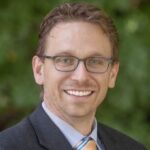 William Edward Soares III, MD, MS – Dr. William (Bill) Soares is the Director of Harm Reduction Services in the Department of Emergency Medicine at Baystate Medical Center in Springfield, MA and an Assistant Professor of Emergency Medicine at the University of Massachusetts Chan Medical School-Baystate. He is a practicing addiction and emergency medicine physician researcher, who has spent the past 10 years focused on expanding medication treatments and harm reduction services for emergency department patients with opioid use disorder. In his role as Director of Harm Reduction Services, Dr. Soares oversees harm reduction supply distribution, buprenorphine and methadone induction programs throughout the four emergency departments in the Baystate Health System in Western Massachusetts.
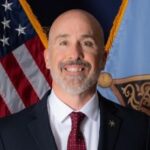 Jason W. Faro has served with the Essex County Sheriff’s Office since 1998, rising through the ranks from a correctional officer to his present position. He is currently responsible for the day-to-day operations of the newly formed Specialized Reentry Services Division. Assistant Superintendent Faro currently manages all services that involve medication assisted treatment, offender diversion programming, and pretrial reentry services. Current initiatives involve breaking “traditional practice” through the adoption of validated classification methods. Assistant Superintendent Faro holds a Bachelor of Science degree in Criminal Justice and Political Science and a Master of Science degree in Human Services. He is a graduate of the Essex County Sheriff’s Department Basic Training Academy, Middleton, Massachusetts and the Federal Law Enforcement Training Center, U.S. Border Patrol Academy Class 284, Artesia, New Mexico. Assistant Superintendent Faro also regularly acts as adjunct faculty at local colleges instructing on subjects of criminology, corrections, and treatment within correctional settings.
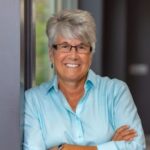 Jill Landis, RN is the VP of Quality Management for Integritus Healthcare. Ms. Landis joined IHC in January 2008. She has responsibility for quality operations in all post acute care services provided by IHC. Ms. Landis received a Bachelor of Science degree in Nursing from Albright College, Reading, Pennsylvania. Prior to joining IHC, Ms. Landis was a regional nurse manager with Genesis Health Care, a for profit health care organization located in Andover, MA where her responsibilities included the management of quality outcomes for nursing homes and assisted living facilities. Ms. Landis has extensive background in long term healthcare services, working in this field for over 35 years. Prior to her work in long term care, she was an acute care nurse at Thomas Jefferson Hospital in Philadelphia, Pennsylvania. Ms. Landis received her certification in Rehabilitation Nursing. She has been a member of Massachusetts Senior Care Association, where she has been a featured speaker at healthcare conferences on quality management topics. Ms. Landis is a member of the Statewide Veterans Council for the past 2 years and has also been a member of the Department of Public Health Informal Dispute Resolution Committee since 2011. Ms. Landis has been a member of the AHCA Clinical and Regulatory Practice Committee for over 3 years.
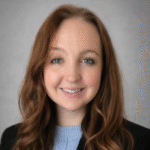 Tiffany Mattson is the Treatment Center Director at Health Care Resource Centers in Chicopee, where she has worked for nearly six years satisfying clinical and operations oversight as a LADC1 in the state of Massachusetts. In her leadership role, Tiffany focuses on patient-centered care and building strong collaborative relationships with community providers. At this conference, Tiffany will share practical insights on developing effective partnerships between opioid treatment programs and skilled nursing facilities, highlighting strategies to improve access, communication, continuity of care, and outcomes for individuals with complex treatment needs.
 Gabrielle Messom, LMHC, serves as the Director of Inpatient Clinical Services at Spectrum Health Systems. She joined Spectrum in 2013 as an outpatient clinician, later advancing to the role of Outpatient Clinical Supervisor before transitioning to the Inpatient division in 2019. In her current role, Gabrielle oversees clinical services across the full continuum of inpatient treatment, guiding program quality, staff development, and clinical excellence.
 Alyssa Horlbogen, LMHC, is the Regional Program Director for Spectrum Health Systems. She oversees the Lincoln Street OTP in Worcester, the Medication Unit in Westborough, and the Mobile Unit in Worcester, MA. Alyssa earned her master’s degree from Assumption University in 2013 and has been a licensed therapist in Massachusetts since 2015. She has worked at Spectrum Health Systems since 2012.
2:00-2:15pm - Stretch Break
Facilitator: Lili Njeim, OTP Training and Technical Assistance (TTA) Center, TTA Specialist and Advisory Committee Lead
2:15-3:15pm - Strategies to Support Direct Admissions from Hospitals to OTPs
Speakers: Audra Williams, MD, MPH; Brittany Maag, MSW, LICSW; Christina Norman
This session will highlight practical strategies for building and sustaining effective direct admission pathways from hospitals to OTP care. Presenters will walk through their model for coordinating admissions, describe the roles of hospital and OTP staff, and share how partners maintain collaboration and commitment over time. The session will also outline the communication, documentation, and systems that support efficient and consistent admissions into treatment.
Learning objectives:
- Describe how direct admission processes work within the presenting organization’s model.
- Identify the roles of hospital staff and OTP staff in supporting an efficient and coordinated direct admission process.
- Outline the steps involved in direct admissions, including communication workflows, documentation needs, and the systems used to support coordination.
- Identify ways to maintain ongoing collaboration and professional relationships between hospitals and OTPs beyond individual patient admissions.
 Audra Williams, MD, MPH is a family medicine and addiction medicine physician who serves as the Medical Director for Addiction Services at Tufts Medicine – Lowell General Hospital. She oversees the multidisciplinary team at the outpatient bridge clinic and also inpatient and emergency department addiction consults. She is passionate about improving access and providing innovative and evidence-based care for patients with substance use disorders.
 Brittany Maag, MSW, LICSW is the social work team lead of Tufts Medicine – Lowell General Hospital’s addiction consultation service and Bridge to Recovery Care clinic. She has worked for Lowell General Hospital for eight years in various social work roles, both in inpatient and outpatient settings. She provides trauma informed care and operates from a person-centered, patient first lens focusing on patient empowerment and collaborative care. She is passionate about patient advocacy, reducing stigma within healthcare settings, and expanding access to care for all patients.
 Christina Norman, a Community Liaison at Lowell CTC, has served the organization for 7 years. She has witnessed numerous daily challenges faced by patients, and her ability to effectively meet patients where they are and dismantle barriers has been a deeply rewarding experience. She is especially proud of her work and the recognition received from the company as the recipient of the 2025 Values in Action Peak Award.
3:15-3:30pm - Transition Break
3:30-4:30pm - Breakout Session: Myth or Fact: What is Allowed in a Methadone Clinic?
Speakers: Phoebe Cushman, MD, MS; Christopher J. Mulvey, MSN, FNP-BC
Long before the recent take home and telehealth flexibilities decreased barriers to methadone, DEA, SAMHSA, and BSAS regulations allowed for innovative approaches for patients to access methadone and expand health services in OTP settings. In this talk, we will separate myth from fact to shed light on the lesser-known operations that can be performed in an OTP to improve both patient access and patient care.
Learning Objectives:
- Describe the surrogacy process for delivering methadone to patients who cannot present to the OTP
- Review operations that allow patients to transition between methadone and buprenorphine treatment in the OTP setting
- Analyze the pros and cons of administering ECGs in the OTP setting
- Compare approaches for managing addiction-adjacent diseases in the OTP setting
 Christopher J. Mulvey, MSN, FNP-BC is a nurse practitioner with over ten years of experience working with those recovering from substance use disorders. Mr. Mulvey’s career includes caring for patients in the carceral, primary care, OBAT, OBOT, OTP, and ATS settings. In 2021, Mr. Mulvey led the effort to expand programmatic offerings at Column Health to include methadone treatment and continues to see patients in this setting under the auspices of Behavioral Health Network. Mr. Mulvey is currently assisting in the launch of Control Z, a substance use disorder and general mental health clinic with an emphasis on novel medical offerings and wellness services.
 Phoebe Cushman, MD, MS is board certified in both Addiction Medicine and Internal Medicine. She has completed a M.S. in Health Services Research as well as fellowships in Medical Education and Addiction Medicine. Her 15 years of Primary Care experience have informed her expertise in substance use disorders, opioids, and chronic pain. She currently works as Director of Office Based Addiction Treatment for Spectrum Health Systems as well as Physician Lead for Spectrum’s Opioid Treatment Program in Framingham, Massachusetts. She also serves as a consultant for the Massachusetts Consultation Service for the Treatment of Addiction and Pain, a warm-line for Massachusetts physicians, NPs, and PAs to receive in-the moment advice about how to care for their patients with substance use disorders and/or pain. In addition to her clinical background, her training in public health and medical education have allowed her to dedicate her career toward serving vulnerable individuals, transforming healthcare systems to improve access to addiction services, and teaching trainees, colleagues, and the public about substance use disorders.
3:30-4:30pm - Breakout Session: Enhancing Access for Medically Complex Patients: An Interdisciplinary Complex Care Model
Speakers: Ryan Vega, MS, MSW, LICSW; Sara Schlotterbeck, MD
This session will present an interdisciplinary Complex Care Model implemented at the Holyoke Opioid Treatment Program to support patients with significant medical complexity, including those referred or directly admitted from hospitals. A program director and OTP medical provider will describe eligibility criteria, clinical decision-making, interdisciplinary workflows, and hospital partnerships, with practical strategies OTPs can adapt to improve access, safety, and patient-centered care.
Learning Ojectives:
- Identify patient characteristics and eligibility criteria that indicate the need for a Complex Care Model within an OTP.
- Describe how counseling, nursing, and medical providers collaborate to support medically complex and homebound patients.
- Understand the role of OTP medical providers in clinical consultation, risk assessment, and coordination with hospital partners.
- Apply practical strategies and lessons learned to adapt an interdisciplinary Complex Care Model within their own OTP.
 Ryan Vega, MS, MSW, LICSW is the Program Director of the Behavioral Health Network Holyoke Opioid Treatment Program in Massachusetts. She has over a decade of experience in substance use disorder treatment across direct clinical care, supervision, and program leadership roles. Ryan has led multiple quality improvement initiatives focused on patient-centered care, regulatory alignment, and interdisciplinary collaboration, including the development of a Complex Care Model to support medically fragile and homebound OTP patients.
 Sara Schlotterbeck, MD is a family physician who provides addiction treatment in the OTP, OBOT, and primary care setting. She currently practices at Behavioral Health Network, Inc. in Springfield and Holyoke, Ma. She brings expertise in managing medically complex patients with opioid use disorder and plays a key role in interdisciplinary complex care meetings, clinical consultation, and coordination with hospital teams.
4:30-5:00pm - Closing Activity: Regional Discussion
12:00-12:15pm - Welcome
12:15-1:30pm - Opening Plenary Session: Patient Experiences in OTP Care: Take Homes, Counseling, and Engagement in Care
OTP TTA Center Patient Advisory Committee Panelists:
- Vilma Mandes
- Lindsey Botelho
- Laura Murphy
- Matthew Blanchard
This patient panel features members of the OTP TTA Patient Advisory Committee sharing direct experiences with OTP services. Panelists will discuss take homes, counseling, communication, and engagement in care, highlighting supports and challenges to care access, retention, and day to day wellbeing. The session centers lived experience to promote patient voice and better understand how OTP services are experienced in practice.
Learning objectives:
- Describe patient experiences with take homes, counseling, and engagement in OTP care.
- Identify factors that support or hinder access to care, retention, and meaningful engagement from a patient perspective.
- Reflect on how communication, flexibility, and choice shape the experience of receiving OTP services.
 Daniel “Dan” Howell (He/Him) currently serves as the Director of Equity and Focus Populations for the Massachusetts Department of Public Health’s (MDPH) Bureau of Substance Addiction Services (BSAS). In his current role, Dan works to uplift and expand equity work across the continuum of services that BSAS offers to all residents of Massachusetts. He is a key leader in the bureau-wide Racial Equity initiatives that provide opportunities for staff to learn and grow in their own understanding of key principles of racial equity, the intersection with substance use and the application to daily work. Before joining the Office of Community Health and Equity (OCHE) in BSAS, Dan worked as a contract manager for youth and young adult services primarily focusing on brief intervention and early treatment programs for young adults across the commonwealth of Massachusetts.
Prior to joining MDPH, Dan had the privilege of working at Lowell Community Health Center in their Office Based Addiction Treatment Program (OBAT) as a grant manager for several years. Once the COVID-19 epidemic hit in 2020, Dan’s role shifted to coordinating and implementing the city-wide testing in collaboration with local government, community partners and healthcare agencies.
Dan received his Master of Public Health (MPH) with a specialization in Healthcare Management from UMASS Lowell. Dan is very passionate about creating equitable and sustainable changes to the systems he works within.
 Vilma Mandes is 53 years old and has lived experience with homelessness and drug addiction. She lives with her two cats and has a great love for learning. She currently battles lupus, which can make her journey difficult, but she continues to persevere.
 Lindsey Botelho is 39 years old and works for MGB. She lives with her partner of 17 years, Shaun, along with their two cats, Elvis and Hendrix, and their chihuahua, Luna. She is an active member of two advisory boards with JSI and also participates as a LEAP member with BSAS, where she contributes to meetings, panels, and focus groups to support others.
Lindsey began using substances at age 14 and developed a heroin addiction by 16, spending several years cycling through detox programs, long-term rehabilitation, and outpatient care. While those experiences were formative, she was not yet ready for recovery. In 2007 at age 19, she entered a methadone program and has remained in recovery since that day. Now approaching 19 years of sobriety, Lindsey is dedicated to helping others with lived experience and credits her treatment program as a life-changing turning point.
 Laura Murphy is 35 years old and currently a SAHM and wife to her husband, Brayden. She works in social media and currently attends school at Bristol CC to obtain her drug and alcohol counseling certification.
Laura has lived experience with substance use disorder and sought treatment through OTP programs, including during her four pregnancies. She is a recovery sponsor and has volunteered with Boston Medical Center, supporting mothers with substance use disorders whose children had contracted Hepatitis C, and helping them access a newer treatment. Laura and her husband enjoy behind-the-scenes work helping people in their community – as well as individuals they have known throughout their lives and even strangers online – navigate active addiction and access support depending on each person’s situation. Laura has collaborated with the local police, her methadone clinic, doctors, other treatment programs, and even the jail she was incarcerated in to help figure out ways to help the community when it comes to addiction and speak with their clients or community about addiction and recovery.
 Matthew Blanchard was raised in a middle-class family with a stable upbringing and no early exposure to substance use. His struggles began in his late teens after gaining independence, when social influences and access to substances led to escalating use and, eventually, legal consequences including two DUIs by age 24. Drawn to the temporary relief substances provided from anxiety and insecurity, he progressed from alcohol and marijuana to opioids, ultimately developing a dependence on heroin and fentanyl. After experiencing withdrawal and entering detox at 27, he began a long and challenging recovery journey marked by numerous detox attempts and treatment programs. Over time, Matthew found stability through methadone treatment, despite early skepticism about its effectiveness. Today, he credits methadone—along with evolving treatment policies—for helping him build a stable and fulfilling life, including steady employment and independent living, and he is currently working toward tapering off while maintaining his recovery.
1:30-1:45pm - Guided Meditation
1:45-2:45pm - Missed Doses Should Not Be a Missed Opportunity for Engagement!
Achieving a stable methadone dose is one of the fundamental goals of OTP treatment, and consistent dosing is necessary to reach that goal. Patients who frequently miss dosing are at risk for being on a subtherapeutic methadone dose that does not control their cravings and withdrawal. This can lead to opioid use and all of its risks, including infections, overdose, and death. This session will describe how use of the 4 T’s—transportation, take homes, telehealth, and rapid re-titration—can reduce the most common barriers that lead to missed doses and increase patient engagement and achievement of a stable methadone dose. The session will also introduce a standardized missed-dose policy and clinical calculator to support safe, consistent dose adjustments following treatment interruptions.
Learning objectives:
- Describe which patients are eligible for PT-1 transportation and how to apply for this benefit.
- List two ways to increase take homes within regulatory guidelines for patients with frequent missed doses.
- Identify two scenarios where telehealth can assist with re-engagement for patients with frequent missed doses.
- Summarize why rapid re-titration can be a safe and effective strategy to reduce further missed doses.
- Describe the key components of a standardized methadone missed-dose policy and how a clinical calculator can support safe, consistent dose adjustments following treatment interruptions.
 Heidi Ginter, MD, FASAM has nearly two decades of experience treating people with substance use disorders and believes that methadone is the greatest medication ever created! She earned her bachelor’s degree from Yale University and returned to her hometown of Baltimore to earn her MD at the University of Maryland School of Medicine. She completed her family medicine residency at UMASS and began her career working in a community health center in Worcester, MA where she could provide care for individuals who were marginalized in multiple ways. Through that work, she found a passion for treating pregnant people with SUDs which led her down the path to becoming an addiction medicine specialist.
She has worked for a variety of organizations providing and leading treatment in the following settings: a community health center, women’s prison, ATS, CSS, TSS, OBAT, and an inpatient community hospital addiction consult service. In November of 2025, she became the Medical Director for Addiction Medicine at Acadia Healthcare which operates over 165 opioid treatment programs in 33 states as well as multiple other behavioral healthcare facilities. Dr. Ginter is a prominent advocate for methadone and other medications for opioid use disorder. She loves any opportunity she can get to dispel myths, share her passion, and partner with patients, providers, regulators, and payors to find creative strategies to assist people in meeting their recovery goals.
 Anthony English, MBA, PA-C is a physician assistant working in the substance use disorder division of Behavioral Health Network (BHN) in Western Mass since graduation as a PA from Bay Path University in 2021. He currently works at an OBOT clinic, ATS, and numerous OTP clinics (including Holyoke, Springfield, a mobile methadone unit located in Ware and Palmer, and Telehealth for OTP clinics in Eastern Mass).
2:45-3:00pm - Transition/Break
3:00-4:00pm - Breakout Session: Cultivating Strategic Partnerships in Long-Term Care (LTC): Innovative, Evidence-Based Interventions for Opioid Use Disorder (OUD) and Medication for Opioid Use Disorder (MOUD) in an Aging Population
(Breakout Option 1)
Speakers: Michael Brassard, BA; Stephanie Baker, MHA, CPHQ
This session will explore how long-term care (LTC) facilities and Opioid Treatment Programs (OTPs) can work together to better support residents with opioid use disorder (OUD). Presenters will share real-world examples that highlight key culture shifts, reduced stigma, and the mutual benefits of cross-sector collaboration for residents, staff, and organizations. The session will also look ahead to practical strategies for strengthening, sustaining, and scaling LTC–OTP partnerships as part of routine care delivery.
Learning Objectives:
- Describe how LTC facilities and Opioid Treatment Programs (OTP) can collaborate to improve care for residents with OUD, including key culture shifts needed to support partnership and reduce stigma.
- Identify the shared benefits of cross-sector collaboration for residents, clinical teams, and organizations, using real-world success stories to illustrate effective models in practice.
- Explore future opportunities to strengthen and sustain partnerships between LTC and OTPs, including strategies for scaling collaboration and embedding it into routine care delivery.
 Michael Brassard, BA is an experienced Regional Director of Operations at BayMark Health Services, a leader in medication-assisted treatment for opioid addiction. With 13 years in long-term recovery, Michael is deeply committed to improving addiction treatment and support services. He has a robust background in non-profit organizations and the hospitality industry, demonstrating extensive management experience and a strong ability to lead and develop teams. Michael’s personal and professional journey, including his most recent role as a Treatment Center Director at Health Care Resource Centers, has equipped him with unique insights into the challenges and solutions for the addiction recovery field. Leveraging his extensive experience, leadership skills, and personal recovery journey, Michael is dedicated to driving positive healthcare outcomes in the organizations he serves.
 Stephanie Baker, MHA, CPHQ is a healthcare quality and improvement leader with extensive experience managing statewide initiatives and fostering cross-sector collaboration. As a Quality Improvement Manager at Healthcentric Advisors, she leads the Massachusetts Substance Use Disorder in Long-Term Care (MA SUD in LTC) project, overseeing program design, stakeholder engagement, and implementation across diverse care settings. With more than a decade of experience in project management, educational development, and the implementation of evidence-based practice, Stephanie has supported hospitals, long-term care facilities, and community partners in improving patient outcomes and care transitions. She holds an MS in Healthcare Administration and is a Certified Professional in Healthcare Quality (CPHQ).
3:00-4:00pm - Breakout Session: Co-Occurring Disorders: Understanding ADHD and SUD with Special Populations
Speaker: Samson Teklemariam, LPC, CPTM
Attention-Deficit/Hyperactivity Disorder (ADHD) and Substance Use Disorders (SUD) frequently co-occur and present unique challenges across the lifespan. According to 2024 data from the CDC and the National Center for Health Statistics, 6% of people in the U.S.—approximately 15.5 million—had a current ADHD diagnosis within the past year. More than half (55.9%) were diagnosed during adulthood, and many—especially women in recovery—report that undiagnosed symptoms contributed to their substance use. Similarly, youth with untreated ADHD face elevated risks for early substance use initiation and more severe SUD outcomes. Despite increasing awareness, many treatment settings still lack adequate resources and training to provide integrated, evidence-based care for those with both conditions. This training provides a practical understanding of the ADHD–SUD connection, offering tools for accurate screening, collaborative treatment planning, and integrated care interventions. Special attention will be given to the unique presentations of ADHD among women in recovery and youth, and the clinical importance of addressing both conditions concurrently to support sustained recovery and wellness.
Learning Objectives:
- Describe the clinical relationship between ADHD and substance use disorders across the lifespan.
- Apply integrated screening, assessment, and treatment strategies for individuals with co-occurring ADHD and SUD, including women and youth in recovery.
- Identify evidence-based approaches for improving engagement, addressing stigma, and improving treatment planning.
 Samson Teklemariam, LPC, CPTM is a nationally recognized clinical leader in Opioid Treatment Programs (OTPs) and a trusted voice in advancing patient-centered responses to the opioid crisis. As Vice President of Clinical Services for Behavioral Health Group, he oversees integrated counseling and treatment services across 22 states, leading the transformation of traditional OTP models into clinically engaged systems of care. Formerly NAADAC’s Director of Training and Professional Development, Samson collaborated with SAMHSA and HRSA on national workforce initiatives and is known for translating policy, data, and evidence-based practice into practical strategies that strengthen OTP teams and improve patient outcomes.